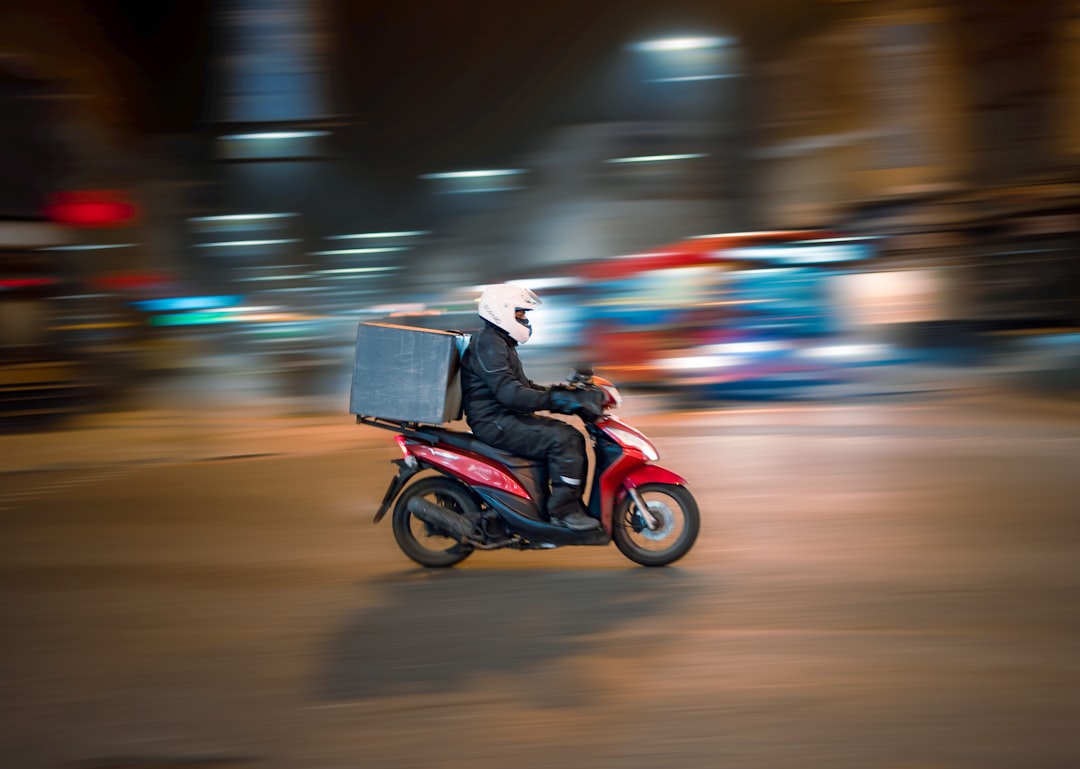
Wondering what you can send by courier in the UK? This practical checklist explains how to assess batteries, liquids, food, medicines, valuables, plants, alcohol and other commonly restricted goods before you book a shipment. Carrier rules vary by service, packaging, destination and transport method, so use this guide as a screening tool and confirm the final position with the courier or approved shipping platform.
Overview
Courier restrictions exist for three main reasons: safety, legal compliance and the risk of damage to other parcels. An item may be accepted on one service but refused on another, particularly when it travels by air, crosses an international border or requires special handling.
There is also an important difference between a prohibited item and a restricted item:
- Prohibited items are not accepted through the relevant service. Do not try to conceal or misdescribe them.
- Restricted items may be accepted only under conditions such as quantity limits, protective packaging, labelling, service limitations or a business account arrangement.
- Compensation exclusions apply when an item is accepted for carriage but is not covered, or is covered only in limited circumstances, if it is lost or damaged.
Before booking, identify the exact contents, destination, packaging and delivery service. “Personal items” or “gift” is not a sufficient description for customs or carrier screening. If a parcel contains several products, assess each item separately and follow the strictest applicable requirement.
For general preparation, see our UK parcel size and packaging guide. If cost is also a concern, compare the options in our guide to the cheapest ways to send a parcel in the UK.
Checklist by scenario
The table below is a starting point rather than a carrier tariff. “Conditional” means you should not book until you have checked the specific service rules.
| Item or category | Typical position | What to check before sending |
|---|---|---|
| Batteries and electrical devices | Usually conditional | Battery chemistry, watt-hour rating where relevant, whether the battery is installed in equipment, terminals, quantity, packaging and whether the parcel travels domestically or internationally. |
| Aerosols and pressurised containers | Often restricted or unavailable | Container type, contents, capacity, leakage protection and whether the chosen service accepts pressurised goods. Never send a damaged or leaking container. |
| Liquids, pastes and gels | Conditional | Whether the liquid is flammable, corrosive, toxic, perishable or likely to leak; use sealed inner packaging and enough absorbent material where required. |
| Food and drink | Often conditional | Whether it is perishable, chilled, frozen, alcoholic, sealed, breakable or subject to destination restrictions. Packaging must withstand handling without contaminating other parcels. |
| Medicines and medical products | Conditional or restricted | Prescription status, temperature requirements, destination law, original packaging, documentation and whether the item can legally be sent by post. |
| Valuables, cash and documents | Service-dependent | Whether the item is excluded from compensation, whether identity documents or cash are allowed, the available proof of delivery and the declared value rules. |
| Plants, seeds and organic material | Conditional, especially internationally | Destination rules, plant health requirements, soil restrictions, packaging, seasonal conditions and any inspection or customs documentation. |
| Alcohol | Restricted or service-specific | Alcohol content, volume, packaging, age-related delivery requirements and whether the courier accepts the product from your type of account. |
| Weapons, explosives and illegal goods | Generally prohibited or tightly controlled | Do not book without specialist legal and carrier advice. Some items may require a licensed transport arrangement rather than an ordinary parcel service. |
Sending batteries by post or courier
Battery shipments need careful classification. A battery installed in a device can be treated differently from a loose, spare or damaged battery. Check for swelling, corrosion or physical damage before packing; damaged batteries should not be put into an ordinary parcel. Protect terminals from short circuits, prevent movement inside the box and follow the carrier’s limits for battery type, quantity and capacity.
International services can impose additional air-transport or customs requirements. If the carrier’s wording is unclear, ask before paying for postage and retain the answer with the order record.
Sending liquids, food and cosmetics
Use a leak-resistant primary container, a sealed secondary layer and sturdy outer packaging. Cushion glass bottles separately so they cannot strike one another. A parcel that survives a short journey on a shelf may still fail when sorted, tilted or placed under weight.
Perishable goods require a realistic delivery plan, not just a faster label. Consider weekends, bank holidays, missed delivery and the consequences if the recipient is unavailable. Some services do not accept items that need refrigeration or temperature control.
Sending valuable or sensitive items
Acceptance does not necessarily mean full compensation. Jewellery, cash, vouchers, antiques, negotiable documents, artwork and high-value electronics may have exclusions, declared-value limits or packaging conditions. Check both the carrier’s prohibited and restricted items list and the compensation terms for the exact service.
If proof of delivery matters, compare the available tracking and signature options in our guide to tracked delivery versus Signed For. Keep photographs of the item, packaging and label before handover.
What to double-check before booking
- Destination: Domestic UK rules may differ from rules for the Channel Islands, Isle of Man, Northern Ireland or an overseas destination. International parcels also need accurate customs information.
- Exact contents: Record the product name, quantity, material and intended use. Avoid vague descriptions such as “goods”, “parts” or “gift”.
- Service type: Confirm whether the parcel travels by road, air or a mixed network, and whether the service accepts restricted goods at all.
- Packaging: Check outer dimensions, weight, cushioning, sealing and the position of any required labels. Use a clean, strong box with no old labels or barcodes visible.
- Declaration: Complete customs and dangerous-goods declarations honestly where required. The sender is responsible for the information supplied.
- Compensation: Read exclusions, maximum values, evidence requirements and claim deadlines. A low-cost service may not be suitable for a fragile or expensive item.
- Recipient arrangements: Confirm the name, address, phone number and any age or signature requirement. For collection or redelivery options, see our missed parcel collection guide.
For international shipments, allow for customs inspection and destination-country restrictions rather than relying only on the UK sender’s rules. Our international parcel tracking guide explains how customs clearance and carrier handovers can affect tracking updates.
Common mistakes
- Assuming every courier has the same list: Rules differ by carrier, service, route and account type.
- Hiding a restricted item: Misdescription can lead to rejection, delay, disposal, return charges or loss of compensation.
- Using a generic “fragile” label as protection: Labels do not replace internal cushioning or a suitable box.
- Ignoring secondary contents: A gift basket, repair return or mixed order may contain batteries, liquids or alcohol that need separate checks.
- Checking only the booking screen: Online tools may accept an order without confirming that every item is eligible for carriage.
- Forgetting the claim position: Keep receipts, photographs, tracking records and evidence of value from the moment the parcel is packed.
- Assuming tracking proves liability: A tracking event shows movement or delivery status; it does not automatically establish compensation entitlement.
If a parcel is refused or later appears stuck in transit, record the tracking message and contact the sender or carrier through the correct channel. The courier tracking status decoder can help explain common status wording, while our missing parcel claims guide covers evidence and escalation.
When to revisit this checklist
Review the rules whenever you send a new product, change courier, change service level, add international destinations or alter your packaging. Sellers should also revisit the checklist before seasonal peaks, when launching a product range and whenever a carrier changes its booking workflow or acceptance terms.
A useful operational routine is to maintain a restricted-items register for your stock. For each product, record its contents, battery details if applicable, packaging method, approved services, destination limits, compensation position and the date last checked. Give warehouse or fulfilment staff a simple “stop and check” route for anything that is flammable, pressurised, liquid, perishable, medicinal, unusually valuable or legally controlled.
Before each shipment, complete this final action list:
- Identify every item in the parcel.
- Check the carrier’s current prohibited and restricted-items guidance for the chosen service.
- Confirm domestic or international destination requirements.
- Pack, seal and label the parcel so the contents cannot leak, move or become damaged.
- Declare the contents accurately and retain evidence of the booking.
- Save the tracking number and proof of posting or collection.
Policies change, so treat this article as a repeatable decision aid rather than permission to send a particular item. When in doubt, pause the shipment and obtain confirmation from the carrier or use a specialist service designed for that category.